
Guest Speaker Dr Steven Nakana: Peace Fellow and Public Health Leadership
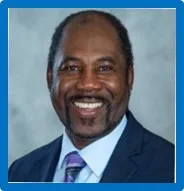
Guest :Speaker: Dr Steven Nakana –
District 9350’s first Rotary World Peace Felowship in 2005 (sponsored by the RCW), studied in Geneva, Switzerland. He also completed a Masters Degree in Sociology at the University of Berkeley, California in 2013. Siham, a UCT classmate, inroduced Steven and faciliated the Q&A discussion.

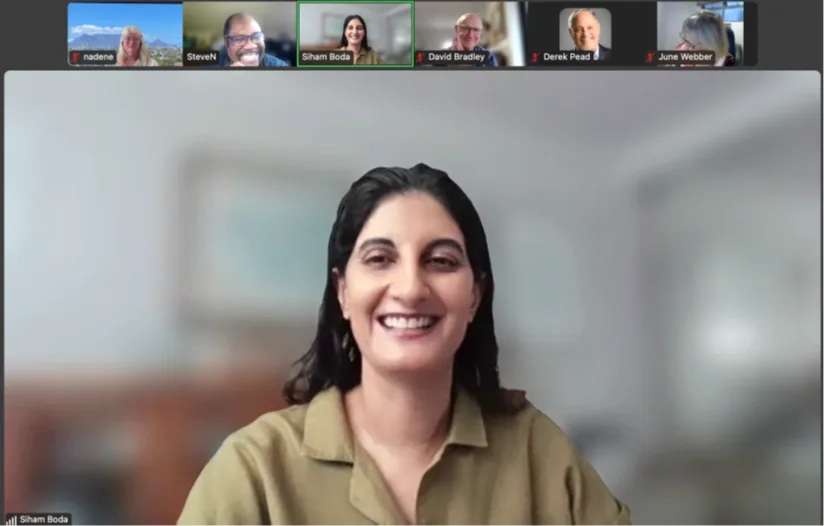
Above: Dr Steven Nakana; Left: Siham Boda. There was a lot of banter before the meeting started, with Steven going down memory lane, reconnecting with crew, especially David who was Captain when Steven was nominated. Also his participation at the Centennial Celebration at the Ampitheatre in the V&A in February 2005.
RC Waterfront’s First Peace Scholar: From Cape Town to Portland Health Authority
Steven Nakana was warmly introduced by UCT classmate – Siham Boda. “Based in the United States Steven works for the Portland Health Authority, a purpose-driven professional with a strong commitment to leadership, service, and global impact. He was Rotary Club of the Waterfront’s 1st Peace Scholar, an experience that shaped his dedication to peacebuilding and community engagement. His work centers on collaboration, equity, and creating sustainable solutions across diverse communities. He brings a thoughtful, people-first approach to every project he takes on.”
Steven recounted his upbringing, education in South Africa and his Rotary Group Study Exchange participation, selection as a Rotary Peace Fellow, and the role Rotary played in his personal and professional life. He described work at the Centre for Conflict Resolution, subsequent career moves, and how Rotary connections led to international study and his marriage. Steven Nakana presented a personal history linking Rotary experiences to his education at Berkeley, his Peace Fellowship, and his career in conflict resolution and public health.
Challenges in Peacebuilding: Localized Conflicts More Deadly Than Interstate Wars
Siham asked about the biggest challenge Steven has faced in peacebuilding, prompting a discussion that distinguished international conflicts from localized or communal conflicts and noted the latter’s higher lethality and displacement impact. Steven explained why peace fellows concentrate on community-level work with NGOs to address these less-visible but deadly conflicts. Localized or communal conflicts are often more deadly and displacement-driving than interstate conflicts and receive less international attention.
Critical First Two Months: Addressing Displacement Health Risks
Steven described research and field experience showing the first two months of communal conflict are critical due to mass displacement to areas lacking health systems and infrastructure, which causes high sickness and death, and he identified the international community’s insufficient focus on that early window as a persistent challenge. The first two months after a communal conflict are the most critical for health and infrastructure needs because displaced people go where services are absent.
Resource Distribution and Conflict: Beyond Minerals to Institutional Access
Steven explained his theory that access to resources — broadly defined to include services and institutional inclusion, not only minerals — drives conflict when distributed inequitably. He plans to elaborate this idea in a book to shift perceptions about what constitutes a resource. We look forward to welcoming Steven back to Cape Town in the not too distant future.⚓


